
The majority of people end up paying for hundreds of channels that they don’t even watch.
The cable bill comes every month and each month you discover you’re paying a high price for a lot of static, filler and ads. The market is split, with streaming platforms claiming to resolve this issue. In order to access the programming you truly need, you find yourself subscribing to four different apps and your monthly bill ends up being the same as you had when you were watching traditional cable TV.
It doesn’t make mathematical sense.
The obvious solution that has come to light in the past decade is digital television via your home internet. If you’ve ever tried to look into this space, you know it’s full of technical jargon, sketchy websites and complicated setups.
Let’s clear up the confusion. We will be examining the technical aspects of current TV digital technology in a non-partisan and straightforward manner. This doesn’t require a software engineer to comprehend. There are some simple structures to be familiar with.
This is what you need to know to avoid getting lost in the digital streaming jungle, both inside and out.
The Foundation of Digital Streaming
Let’s start with a description of the key technology, iptv.
IPTV is an acronym for Internet Protocol Television. Your television program is sent via the internet, rather than a satellite dish on your roof or a fiber-optic cable in a wall jack. By clicking on a channel you’re downloading a live video file in real-time.
Unlike traditional media, providers’ infrastructure costs are significantly different since they are internet-based. That’s why they are so customizable and are typically much cheaper. Due to lower barrier to entry, however, the quality of service is quite inconsistent between providers.
This teaches us about the most important rule on this space: risk mitigation.
Reduce Your Risk: The Trial Stage
Do not purchase a full year of service you haven’t tried. Whether the website is good looking or how many channels they guarantee will not matter. The quality of a stream depends on the server routing only, and your internet service provider (ISP) and geographical distance.
The only way to stay safe is to always begin with a free trial IPTV.
Most good providers will have a 24-48 hour testing window at no cost. This is not a courtesy, it is also technically required. In this period you must be very suspicious.
Here are some of the things you need to pay attention to when you’re taking your test:
- Peak Hour Performance: Conduct tests on a Sunday evening or during a big live sporting event. Servers are most stressed during this time. If it buffers at that time, it will buffer at any time.
- If you can’t locate the five channels you care about on a 10 thousand channel service, it’s worthless. Seek out well-organized and clean menus.
- Audio Sync: Be careful to see if the audio corresponds to the speaking persons’ lips. Small delays in the server will usually lead to audio out-of-sync.
A testing period removes the financial risk and allows you to test the service to be sure it works with your home network before spending any money.
Understanding how the setup process works.Analyzing the setup process
After you’ve gotten a trial, you need to get your television connected to the provider’s servers. This is the place where most people get lost. There are basically two ways to do this, both of which require certain software applications.
The first one is to mimic hardware, or a piece of hardware.
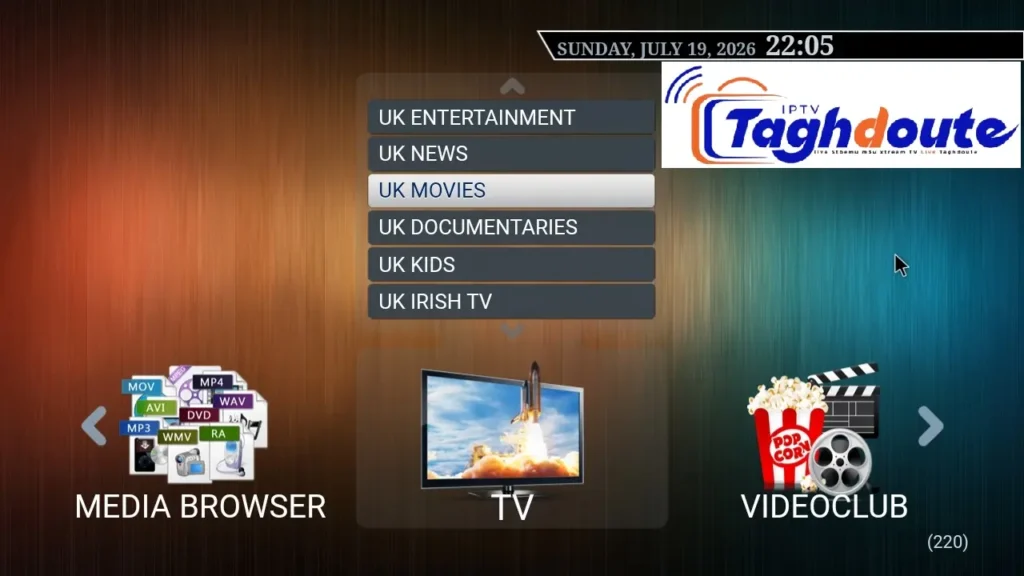
In the past, digital streams were played via physical set-top boxes (STB) which were placed underneath the TV. It’s not necessary to purchase this additional equipment today. Rather, you can download one of the applications called stbemu.
This application is a virtual STB. It fools servers of the provider into believing that you have a physical device connected to your TV. The emulator application creates a different MAC address number every time it is run (a number/letter sequence beginning with 00:1A:79). You tell your ISP this MAC address and they associate it to your account.
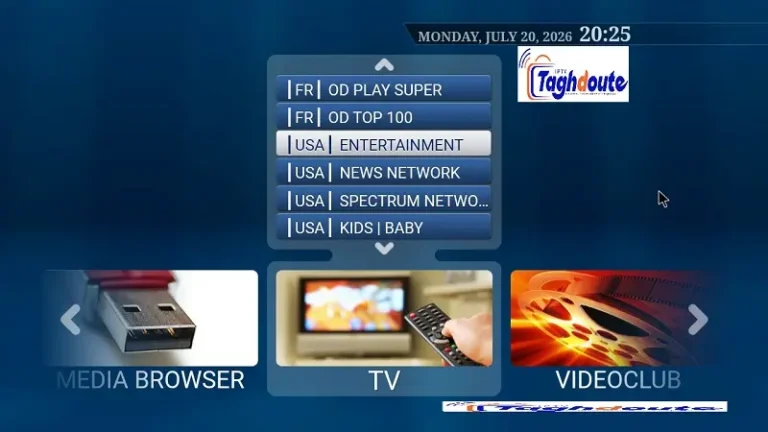
After the mac address is connected, you will have to specify the emulator’s specific server to the provider. This is done by entering a stalker portal iptv web address into the settings of the app. The portal is the virtual door. The application then logs in to the portal address, validates your MAC address, fetches the programme guide screen interface and fills in the real-time information into the screen.
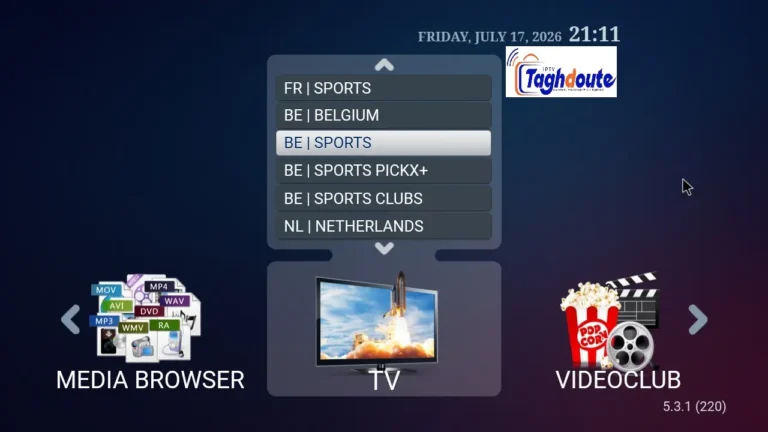
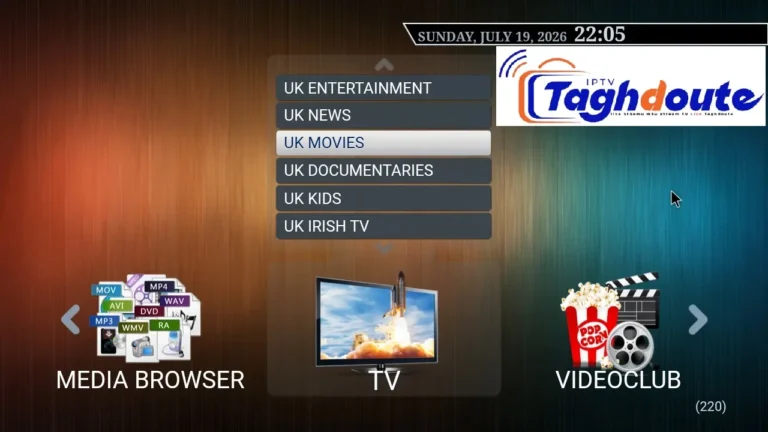
Set up takes about 5 minutes and it simulates the traditional cable box experience, including a classic user interface.
The Alternative Login Method
Emulators are very popular and are great for having a familiar interface, but they are not the only way to get connected. The second main approach is a little more recent, and is used in various types of applications, including smart TVs and mobile phones.
It is based on the framework of the xtream Codes API.
This is similar to logging into your bank or your email, and doesn’t require you to deal with MAC addresses and hardware emulation. If the provider is using this framework they will only supply you with 3 pieces of information:
- A Server URL
- A Username
- A Password
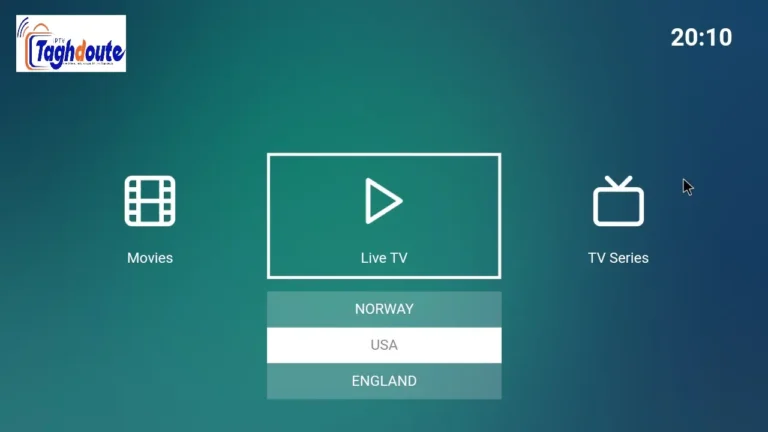
Just download a compatible player app from your TV’s app store, click API login and enter the three lines of text.
Users appreciate this more than portal emulation, as it is very flexible. Switching to different player applications is easy without asking your provider to unlock/reset a MAC address. These modern applications have user interfaces that are very customizable, with the ability to hide countries that aren’t watched, favourite certain networks, and seamlessly incorporate detailed TV guides.
The Bottom Line
Technology should support you and make things easier, not difficult.
For decades the television industry has turned on its complacent users. They tie you into contracts, bundle channels and hike up the prices because they know you won’t research other options.
Once you know the basics of digital streaming, you’re in control: You know how to test it without risking any money, you know how to get your virtual emulators connected to the portals, and how to distinguish between a hardware-based login and a simple username-based API.
The bloat goes away and you no longer have to pay for it. Only what you want you pay for! It’s a more intelligent and considerate approach to the home entertainment, which will make your setup easy and keep your funds exactly where they belong: in your pocket.
_________________________________________
Hello, We are pleased to offer you a one-year subscription for only €20.
If you’d like to experience our service before committing, you can request a free trial by contacting us directly on WhatsApp: [https://wa.me/212695572901]
We look forward to welcoming you!
Download the IPTV portal STBEMU 20_07_2026 file here
Download the IPTV Xtream 20_07_2026 file here
About The Author